

Due Diligence Services in Mexico: Know Who You Are Really Dealing With
You are about to commit capital in Mexico, and most of what you know about the counterparty comes from people who want the deal to happen.
ISSLA RISK verifies who owns and controls the counterparty and how it is regarded where it operates, and delivers a report your board, lender or counsel can examine line by line.
What due diligence in Mexico protects you from
Business due diligence in Mexico establishes who owns and controls a company, whether its records match reality, and whether the people involved are who they say they are. It protects you from four things a presentation will not show you:
An owner who is not the person on the paperwork.
Litigation or disputes that sit in Spanish-language records and local reporting.
A business whose premises and activity do not match its filings.
A reputation that informed people in the market know and you do not.
What you receive
- Sources. Every source consulted and how each was weighed.
- Findings with stated confidence. Each labelled confirmed, indicated or unresolved, with an ownership and control map where relevant.
- Limits. Where access, records or time set a limit, reported as gaps and not filled by inference.
- Next steps. Further enquiries proposed only where the decision justifies the cost.
Talk to us about your counterparty
Talk to usWhy a registry search is not enough in Mexico
Mexican records sit with different bodies, often release documents instead of summaries, and are hard to match to a person without the full legal name, including both surnames. The findings that change a decision usually come from combining records with enquiries among the people who know the subject.

What was filed, on the date it was filed.
Who decides, funds and benefits, set beside who is registered.
Registered shareholders, directors and legal representatives.
Relatives, associates and related companies behind the names.
Court and media hits for the exact name searched.
What informed local sources say, each weighed against the documents.
A no-match, which describes one query and not the company.
Whether premises and activity match the paperwork.
Regional intelligence. Proven experience.
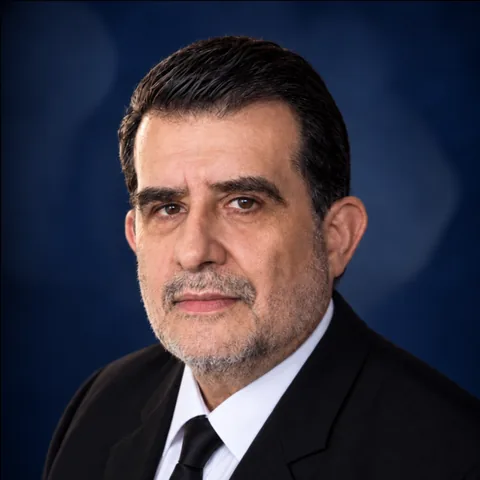
Victor Cañete Arias — Founder & Managing Director, ISSLA RISK
ISSLA RISK, founded in 2009, is a corporate intelligence and investigations firm working across Latin America and the Caribbean. It supports international law firms, litigation funders, investors and financial institutions. The approach is consistent: documentary research first, lawful field enquiries when records alone are not enough, and a report that grades every finding by its evidence.
- Since 2009 independent corporate intelligence.
- 35+ countries Latin America and the Caribbean and beyond.
- 2,960+ cases handled to date.
Why clients choose ISSLA RISK
We state the limits of every finding.
A report that hides its gaps looks better and decides worse. Ours lists them, so you know where the risk still sits.
We separate evidence from inference.
Only a documented link is presented as fact. A similar name, a shared address or a family tie is a lead with a stated strength, never a conclusion.
We read the local sources.
Allegations, disputes and reputation often exist only in Spanish. We read them in the original.
We scope the work to your decision.
A records-only review and a full investigation are different jobs. We do not sell you the bigger one when the smaller one answers the question.
Who this is for
This is for you if
you are about to buy, invest, partner, lend or appoint in Mexico, the decision turns on who is really behind the counterparty, and you need findings you can put in front of a board, a lender or counsel.
This is not the right service if
you need a quick lookup of one name, a consumer background check, an automated database screening, or a legal or tax opinion. Those have faster and cheaper routes, and we will tell you so.
Talk to us about your counterparty
Talk to usWhen to commission due diligence in Mexico
Acquisitions and investments
The information memorandum tells you what the seller wants you to believe. We verify the seller's identity, ownership chain, litigation and reputation, and test their story against independent sources, alongside your legal and financial advisers.
Partners and joint ventures
A partner's weaknesses become yours. We map the controlling individuals, related companies and past disputes, and report any gap between what you were told and what we found.
Lenders and credit decisions
Security is only as good as the borrower behind it. We check its registered position, encumbrances in public registries, including registered security over movable assets, and the reliability of the people behind it.
Senior appointments
A key hire carries your reputation. We verify identity, professional claims and public background, within the limits of Mexican privacy rules.
Property and land
Where a deal depends on real estate, we trace title and encumbrances and flag land-tenure questions, such as ejido status, for your counsel to resolve.
How we investigate: records, ownership and local enquiries

Records
Corporate filings and their history, court and litigation records, property and encumbrances, regulatory and sanctions lists, politically exposed persons, and Spanish- and English-language media. Every match is reviewed by an analyst and matched to the right person before it reaches the report. The scope names the registries and likely official costs before work starts.
Beneficial ownership in Mexico
Who appears on paper is not always who decides. We start from the registered shareholders and directors and work outward: related companies, relatives, shared addresses, past roles and ownership changes around disputes or financing events. Where nominees stand in the chain, the report says so and shows the evidence.
Local enquiries
When the records stop, we confirm that premises exist and operate as described and speak with informed sources, lawfully and under your instructions, testing each account against documents. For single checks that can stand alone, see our field verification service.
Red flags we test
None proves wrongdoing; each is a reason to look further.
- A registered address or legal representative shared by unrelated companies.
- Ownership that changed shortly before a dispute, a financing or a sale.
- Declared activity that does not match what a visit shows.
- Principals in Spanish-language litigation or reporting that an English name search would miss.
How an engagement works
Confidential intake
Tell us the decision, the subject and the deadline. We check lawful purpose and conflicts first.
Scope and fee
Work, deliverables and timing in writing, with official record costs identified.
Research and enquiries
Records and desk research, then local enquiries where agreed.
Report and debrief
The report and a call to walk through findings and next steps.
What drives the cost and timing of due diligence in Mexico
Cost and timing depend on the number of companies and individuals involved, the complexity of the ownership structure, whether local enquiries are in scope, how readily the records can be obtained, and urgency.
You receive a written scope, fee and timetable after intake.
Who works on your matter
Every assignment has a designated case lead who agrees the questions and scope and remains your point of contact.
Country investigators carry out the records work and enquiries they are qualified and authorised to perform, and analysts review source reliability and separate evidence from inference before delivery. The people behind these roles are on our About page.
Frequently asked questions
How much does due diligence in Mexico cost?
Every proposal is priced to its own question. Cost depends on the number of companies and individuals, the complexity of ownership, whether local enquiries are needed and how readily records can be obtained. We agree scope and fee in writing before work starts, and identify official record costs in advance where possible.
How long does it take?
It depends on how many entities and individuals are involved, how quickly records can be obtained and whether local enquiries are in scope. A records-only review and a full investigation take very different times. We give a case-specific timetable after intake, once access to the records is known.
How is this different from legal due diligence?
Legal due diligence reviews a company's documents, contracts and compliance, usually through counsel. Our work establishes who is behind the company, how it behaves and what is said about it, using records, public sources and local enquiries. Many transactions need both, and we work alongside your lawyers.
Do you work alongside our law firm?
Yes. Law firms often instruct us for the investigative workstream of a transaction or dispute, and we work under the direction you set. The report lets counsel examine the sources and the method, and your lawyers keep the legal opinion and the client relationship.
Can the work be done without the company knowing?
In most cases, yes. Work begins with records and lawful desk research, which usually leaves no trace, and any local enquiry is planned to limit exposure. Contact with people always carries some risk, so we explain the trade-offs and agree the level of discretion with you at scoping.
What if the records are incomplete, or the owner cannot be identified?
We note the gaps, test the available information against other sources, including local enquiries, and report the gaps that remain. A guaranteed answer is not possible; a clearly bounded open question is itself a finding, and we propose next steps only where the decision justifies the cost.
What do I need to start?
The full legal name of the company and individuals involved, any known addresses and the decision you have to make. A short message is enough and no case file is needed. We check lawful purpose and conflicts before proposing any scope or fee.
Talk to us about a due diligence matter in Mexico
Tell us who the counterparty is, what you have to decide and by when. We check lawful purpose and conflicts first, then tell you whether we can help and what a sensible scope looks like. Nothing is committed until you approve it in writing.